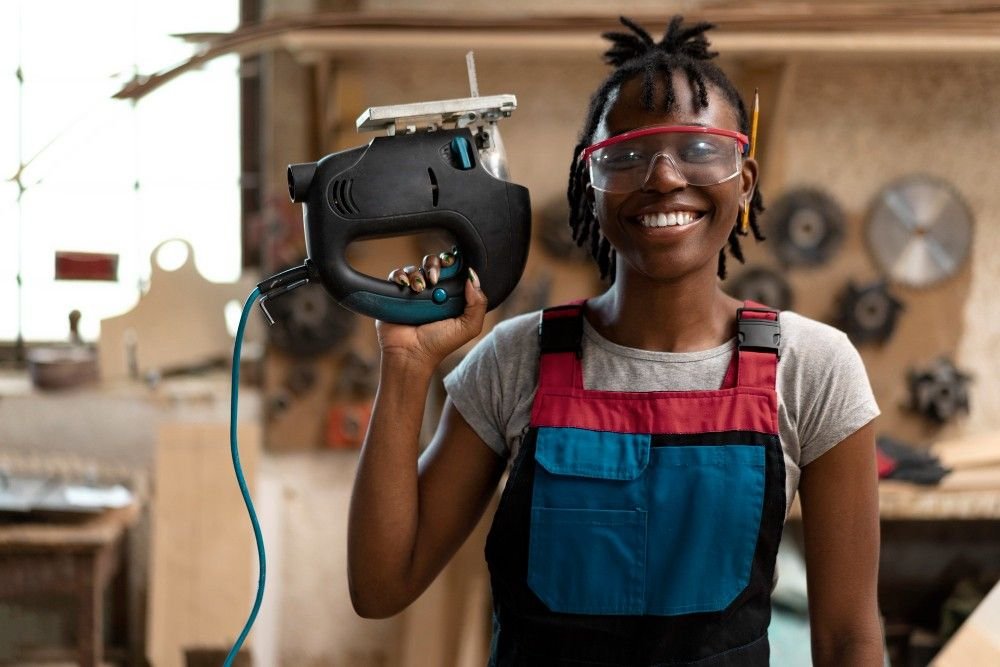
If you’ve been wondering whether it’s truly possible to work as a welder in Australia with full employer sponsorship and earn AUD $45-$55 per hour (that’s roughly USD $30-$37/hour), let me tell you straight—it’s not only possible, it’s happening right now for skilled welders from Nigeria, South Africa, the Philippines, and countries worldwide.
Australia’s booming mining, construction, and manufacturing sectors are facing a critical shortage of qualified welders. Companies across the country are actively recruiting foreign workers and navigating the visa sponsorship process to fill thousands of vacant positions.
We’re talking about annual salaries ranging from AUD $70,000 to $110,000+ (approximately USD $47,000 to $74,000+), complete with employer sponsorship through the 482 visa program, pathways to permanent residency, and opportunities in every Australian state from Perth to Brisbane to Melbourne.
But here’s what most people don’t know: securing welding jobs in Australia with visa sponsorship isn’t about blindly sending applications and crossing your fingers. It’s about understanding Australia’s unique skilled migration system, knowing which industries and companies genuinely sponsor foreign welders, having your qualifications properly assessed, and positioning yourself as the solution to their labor shortage problem.
In this comprehensive guide, I’m going to walk you through everything—from the exact 482 visa requirements to specific companies actively sponsoring welders, realistic salary breakdowns by specialization, the true costs involved (visa fees, trade assessments, relocation), step-by-step application strategies, and how to avoid the common mistakes that doom 90% of applications.
This isn’t generic advice copied from immigration websites. This is practical, tested information from someone who has helped countless skilled trades workers successfully navigate this exact journey to Australia.
Let’s get started.
Why Australia is Desperately Hiring Foreign Welders in 2025
Australia’s welding shortage isn’t a temporary blip—it’s a structural crisis that’s been building for years and reached critical levels post-pandemic.
The Australian government’s Infrastructure Australia report identifies skilled trades, particularly welders, as facing “severe” shortages across multiple sectors. We’re talking about an estimated 15,000+ unfilled welding positions nationwide.
The Perfect Storm Creating Opportunity
Several factors have converged to create unprecedented demand:
1. Mining Boom 2.0: Australia’s mining sector (iron ore, coal, lithium, rare earths) is experiencing massive expansion. Every mine needs fabrication shops, maintenance welders, and shutdown crews. Western Australia and Queensland are leading this surge.
2. Infrastructure Megaprojects: The Australian government has committed AUD $110 billion to infrastructure over the next decade—railways, highways, bridges, tunnels. These projects require thousands of certified welders.
3. Manufacturing Renaissance: Driven by supply chain concerns post-COVID, Australia is rebuilding its manufacturing capacity. Defense contracts, shipbuilding, and heavy equipment fabrication are all expanding.
4. Aging Workforce: Nearly 35% of Australian welders are over 50 and approaching retirement. The pipeline of young apprentices isn’t filling the gap fast enough.
5. Strict Trade Barriers: Australia has some of the world’s most rigorous welding standards. This limits competition but also means qualified foreign welders who meet these standards are highly valued.
Government Recognition of the Shortage
Welders appear on multiple Australian skilled occupation lists:
- Medium and Long-term Strategic Skills List (MLTSSL): Enables longer-term visa pathways
- Short-term Skilled Occupation List (STSOL): For immediate shortage roles
- Regional Occupation Lists: Additional opportunities in regional areas
What this means for you: Employers can sponsor welders more easily than many other occupations, visa processing receives priority attention, and pathways to permanent residency are clearer.
The truth is: Australian companies aren’t just accepting foreign welders as a last resort—they’re actively seeking them. Your skills are genuinely needed.
Regional Demand Hotspots
Western Australia (Perth, Pilbara region):
- Mining and resources boom
- Highest welder demand in Australia
- Premium wages due to remote work
- LNG projects, iron ore facilities
Queensland (Brisbane, Townsville, Gladstone):
- Mining support, construction projects
- Strong manufacturing sector
- Infrastructure development
- Growing defense contracts
New South Wales (Sydney, Newcastle, Wollongong):
- Major infrastructure projects (Metro, motorways)
- Shipbuilding and maritime
- Heavy manufacturing
Victoria (Melbourne, Geelong):
- Manufacturing hub
- Construction boom
- Transport infrastructure
South Australia & Northern Territory:
- Defense contracts (submarines, ships)
- Mining operations
- Regional opportunities with incentives
Pro Tip: Remote and regional positions in Western Australia and Queensland often offer higher salaries (20-40% premiums), accommodation allowances, and faster pathways to permanent residency through regional visa programs. Don’t overlook these opportunities just because they’re not in major cities.
Real Salary Expectations: What You’ll Actually Earn
Let me break down the numbers honestly because understanding your true earning potential is essential for making an informed decision.
Entry-Level Welders (1-3 Years Experience)
If you’re coming in with basic certifications and limited experience:
- Hourly Rate: AUD $28-$35 per hour
- Annual Salary: AUD $58,000-$73,000 (USD $39,000-$49,000)
- With Overtime: AUD $70,000-$85,000+
Qualified Trade Welders (3-7 Years Experience)
With solid experience and Australian-recognized certifications:
- Hourly Rate: AUD $35-$48 per hour
- Annual Salary: AUD $73,000-$100,000 (USD $49,000-$67,000)
- With Overtime: AUD $90,000-$120,000+
Specialized Welders (7+ Years, Advanced Certifications)
For those with specialized skills (TIG, coded welding, pressure vessels, pipe welding):
- Hourly Rate: AUD $48-$65+ per hour
- Annual Salary: AUD $100,000-$135,000+ (USD $67,000-$90,000+)
- Remote/FIFO Work: AUD $120,000-$180,000+ (Fly-in/fly-out positions)
Here’s the thing: Overtime is standard in Australian welding, especially in mining and construction. Many welders I’ve worked with report earning 25-40% above their base salary through overtime, weekend rates (time-and-a-half or double-time), and penalty rates for remote work.
Specialization Pay Premiums
TIG Welding: +10-20% premium Pipe Welding (coded): +15-25% premium Underwater Welding: +50-100% premium Pressure Vessel Certification: +20-30% premium Remote/FIFO Work: +30-50% premium plus allowances
Take-Home Pay After Australian Tax
Understanding your actual take-home is crucial:
AUD $75,000 Gross Salary:
- Tax: ~$15,500
- Medicare Levy: ~$1,500
- Take-home: ~$58,000 annually ($4,830 monthly)
AUD $90,000 Gross Salary:
- Tax: ~$21,000
- Medicare Levy: ~$1,800
- Take-home: ~$67,200 annually ($5,600 monthly)
AUD $110,000 Gross Salary:
- Tax: ~$28,000
- Medicare Levy: ~$2,200
- Take-home: ~$79,800 annually ($6,650 monthly)
Use the official ATO (Australian Taxation Office) calculator at ato.gov.au for personalized calculations.
Regional Salary Variations
Western Australia (Mining/Resources):
- Highest paying: AUD $85,000-$150,000+
- FIFO positions with accommodation
- Cyclone/remote allowances
- Best for maximizing savings
Queensland (Mining/Construction):
- Competitive rates: AUD $75,000-$120,000
- Good balance of pay and lifestyle
- Growing opportunities
New South Wales/Victoria (Major Cities):
- Moderate rates: AUD $70,000-$100,000
- Higher cost of living
- More urban amenities
- Better for families
South Australia/Tasmania/NT:
- Regional rates: AUD $65,000-$95,000
- Lower cost of living
- Regional visa incentives
- Faster PR pathways
The reality: Even the “lower” paying Australian welding positions offer salaries that exceed what most welders earn in African or Asian countries—often by 5-10 times or more.
Comparison Table: Welder Salaries Across Top Countries
| Country | Entry-Level | Mid-Level | Senior Level | Currency |
|---|---|---|---|---|
| Australia | AUD $58K-$73K | AUD $73K-$100K | AUD $100K-$135K+ | AUD |
| Canada | CAD $48K-$62K | CAD $62K-$82K | CAD $82K-$105K+ | CAD |
| USA | USD $38K-$52K | USD $52K-$72K | USD $72K-$95K+ | USD |
| UK | £26K-£35K | £35K-£48K | £48K-£65K+ | GBP |
| UAE | AED 54K-72K | AED 72K-108K | AED 108K-150K+ | AED |
Note: Australia offers highest absolute salaries for welders, strongest worker protections, and clearest pathways to permanent residence.
Top Companies Offering Visa Sponsorship for Welders
This is where it gets practical. I’m sharing actual companies with proven track records of sponsoring foreign welders. These are your starting points.
Mining & Resources Sector
1. BHP (formerly BHP Billiton)
- Locations: Western Australia (Pilbara), Queensland, South Australia
- Typical Roles: Maintenance welders, shutdown welders, fabricators
- Visa Support: Major 482 visa sponsor, pathway to 186 visa
- Average Salary: AUD $90,000-$130,000+
- Website: bhp.com/careers
2. Rio Tinto
- Locations: Pilbara (WA), Hunter Valley (NSW)
- Typical Roles: Mobile equipment welders, structural welders
- Visa Support: Established sponsorship program
- Average Salary: AUD $95,000-$140,000+
- FIFO: Many positions include fly-in/fly-out arrangements
3. Fortescue Metals Group (FMG)
- Locations: Western Australia
- Typical Roles: Welders for mining equipment, infrastructure
- Visa Support: Regular sponsor of skilled trades
- Average Salary: AUD $85,000-$125,000
4. Woodside Energy
- Locations: WA (offshore and onshore facilities)
- Typical Roles: Coded pipe welders, pressure vessel welders
- Visa Support: Sponsors specialized welders
- Average Salary: AUD $100,000-$150,000+
Construction & Infrastructure Companies
5. CPB Contractors (CIMIC Group)
- Locations: Nationwide major projects
- Typical Roles: Structural welders, reinforcement welders
- Visa Support: Active 482 visa sponsor
- Average Salary: AUD $75,000-$105,000
- Website: cpbcon.com.au/careers
6. John Holland Group
- Locations: Major cities, infrastructure projects
- Typical Roles: Construction welders, rail welders
- Visa Support: Established immigration program
- Average Salary: AUD $72,000-$98,000
7. Lendlease
- Locations: Sydney, Melbourne, Brisbane
- Typical Roles: Commercial construction welders
- Visa Support: Sponsors for major projects
- Average Salary: AUD $70,000-$95,000
Manufacturing & Fabrication
8. Civmec
- Locations: Western Australia, New South Wales
- Typical Roles: Structural steel fabricators, coded welders
- Visa Support: Major sponsor of welding trades
- Average Salary: AUD $80,000-$110,000
- Website: civmec.com.au/careers
9. Monadelphous Group
- Locations: Perth, regional WA, Queensland
- Typical Roles: Maintenance welders, shutdown specialists
- Visa Support: Regular 482 visa applications
- Average Salary: AUD $85,000-$115,000
10. OneSteel/InfraBuild
- Locations: Multiple Australian states
- Typical Roles: Steel fabrication welders
- Visa Support: Sponsors qualified welders
- Average Salary: AUD $68,000-$92,000
Shipbuilding & Defense
11. ASC Pty Ltd (Australian Submarine Corporation)
- Locations: South Australia (Adelaide)
- Typical Roles: Shipbuilding welders, submarine fabrication
- Visa Support: Government-supported sponsorship
- Average Salary: AUD $85,000-$120,000
- Security Clearance: May be required
12. BAE Systems Australia
- Locations: Adelaide, Melbourne, Newcastle
- Typical Roles: Defense manufacturing welders
- Visa Support: Sponsors for defense projects
- Average Salary: AUD $80,000-$115,000
Smaller Fabrication Companies
Here’s what most people don’t know: Medium-sized fabrication shops (50-200 employees) in regional areas are often the easiest path to sponsorship. They face severe labor shortages, have simpler hiring processes, and genuinely cannot fill positions locally.
Pro Tip: Target companies in regional Queensland, regional WA, and South Australia. They offer regional visa benefits (faster PR pathways, lower cost of living) and less competition from other applicants. Cities like Townsville, Mackay, Gladstone, Kalgoorlie, and Whyalla have ongoing demand.
Understanding the 482 Visa: Australia’s Employer-Sponsored Pathway
The Temporary Skill Shortage (TSS) visa subclass 482 is your primary pathway to working as a welder in Australia. Let me break down exactly how it works.
What is the 482 Visa?
The 482 visa replaced the old 457 visa in 2018. It allows Australian employers to sponsor foreign workers when they cannot find suitable Australian workers for skilled positions.
Key Features:
- Duration: 2-4 years depending on occupation stream
- Employer-tied: You must work for your sponsoring employer
- Pathway to PR: Can lead to permanent residency (subclass 186)
- Family Inclusion: Bring spouse and dependent children
- Work Rights for Spouse: Your partner can work in Australia
Two Main Streams for Welders
Short-term Stream:
- Duration: Up to 2 years (renewable once)
- For occupations on Short-term Skilled Occupation List (STSOL)
- Limited PR pathway
- Faster processing
Medium-term Stream:
- Duration: Up to 4 years
- For occupations on Medium and Long-term Strategic Skills List (MLTSSL)
- Clear pathway to permanent residency via 186 visa after 3 years
- Most welding specializations qualify
- This is your target stream
Eligibility Requirements
1. Nomination from Approved Employer Your employer must:
- Be an approved sponsor (Standard Business Sponsorship)
- Demonstrate genuine need for the position
- Prove they cannot find suitable Australian workers
- Pay market salary rate (minimum AUD $70,000 for most positions)
2. Relevant Skills and Experience
- Minimum 2 years relevant work experience
- Qualifications relevant to the nominated position
- Skills assessment from Trades Recognition Australia (TRA) – This is crucial
3. English Language Requirement Competent English (equivalent to IELTS 5.0 in each component or overall 5.0 with no component below 4.5)
4. Age Requirement Generally under 45 years old (some exceptions apply)
5. Health and Character
- Pass health examination
- Provide police clearances
- Meet character requirements
6. Genuine Temporary Entrant Must intend to stay in Australia temporarily (even if planning PR later)
The Skills Assessment Process (TRA)
This is critical and often overlooked. Trades Recognition Australia (TRA) assesses whether your qualifications and experience match Australian standards.
Two TRA Pathways:
Job Ready Program (JRP):
- For those without Australian qualifications
- Multi-stage assessment over 12-24 months
- Includes provisional assessment, employment period, final assessment
- Costs: AUD $300-$1,500 depending on stage
Skills Assessment (for visa purposes):
- One-stage assessment for visa applications
- Based on qualifications and experience
- Cost: AUD $300-$550
- Processing: 10-12 weeks
Documents TRA requires:
- Trade certificates and qualifications
- Detailed employment references
- Proof of welding experience (work photos, project documentation)
- Resume with detailed duties
Pro Tip: Start your TRA assessment BEFORE applying for jobs. Having a positive assessment makes you immediately employable and shows employers you’ve done your homework. This significantly increases your chances of securing sponsorship.
Step-by-Step Application Process: Your Action Roadmap
Now, this is important: Success requires following these steps in the correct order. Here’s your complete roadmap.
Phase 1: Preparation & Assessment (Months 1-3)
Week 1-2: Document Gathering
- Collect all trade certificates, welding qualifications
- Get detailed reference letters from every employer
- Document your work history (photos of projects, welding test results)
- Translate all documents to English (certified translator)
Week 3-4: Skills Assessment Application
- Register with Trades Recognition Australia (TRA)
- Complete online application
- Submit all documentation
- Pay assessment fee (AUD $300-$550)
- Timeline: 10-12 weeks for decision
Week 5-6: English Language Testing If needed:
- Book IELTS or PTE test
- Target: IELTS 5.0+ in each component minimum
- Study and prepare
- Cost: AUD $330-$400
Week 7-12: Financial Preparation
- Save for visa costs (AUD $8,000-$12,000 minimum)
- Save for relocation (AUD $5,000-$10,000)
- Build emergency fund
- Research cost of living in target cities
Phase 2: Job Search (Months 2-6)
Build Australian-Standard Resume
Australian resumes differ from other countries:
- Maximum 3-4 pages (trades can be longer than office jobs)
- Include detailed technical skills section
- List ALL certifications prominently
- Quantify achievements
- No photo, age, or marital status
- Use Australian date format (DD/MM/YYYY)
Example welding skills section:
TECHNICAL SKILLS
• MIG/MAG Welding (GMAW) - 6+ years
• TIG Welding (GTAW) - Stainless steel, aluminum
• Arc Welding (SMAW) - 7+ years
• Flux-Cored Arc Welding (FCAW)
• Gas Cutting & Thermal Cutting
• Blueprint Reading & Interpretation
• Welding Inspection & Quality Control
• AS/NZS Welding Standards familiarity
Where to Apply
Best Job Boards:
- Seek (seek.com.au) – #1 Australian job site
- Indeed Australia (au.indeed.com)
- JobSearch (jobsearch.gov.au) – Government site
- LinkedIn Australia
- Trades job boards (TradingPost, Workfast)
Recruitment Agencies:
- Programmed Skilled Workforce
- Chandler Macleod
- Skilled Careers
- Drake International
- Regional agencies in target states
Direct Applications:
- Company career pages
- Email HR departments directly
- Network on LinkedIn with Australian recruiters
Application Volume:
- Target 15-20 applications weekly
- Focus on companies with sponsorship history
- Customize each application
- Follow up after 7-10 days
The truth is: You’ll likely send 80-150 applications before securing sponsorship. This is normal and expected. Persistence is more important than perfection.
Phase 3: Interview & Securing Sponsorship (Months 4-7)
When you land an interview (usually via video call initially):
They’ll Ask:
- “Why do you want to work in Australia?” (Show genuine interest beyond just money)
- “What’s your experience with [specific welding process]?” (Be specific and detailed)
- “Have you worked in [mining/construction/manufacturing] before?”
- “Are you willing to work in regional/remote areas?”
- “Can you adapt to Australian standards and safety regulations?”
You Should Ask:
- “Has your company sponsored 482 visa holders before?”
- “What’s the typical timeline for sponsorship approval?”
- “Will you provide relocation assistance?”
- “What’s the pathway for career development?”
- “Are there opportunities for additional certifications?”
Demonstrating Value:
- Emphasize your TRA assessment (if completed)
- Highlight specialized skills (coded welding, exotic materials)
- Show safety consciousness (huge in Australia)
- Express willingness to work overtime, shifts, remote locations
- Provide portfolio of previous work (photos, certifications)
Pro Tip: Australia has a strong culture of “mateship” and teamwork. Employers value cultural fit and attitude as much as technical skills. Show enthusiasm, humility, and willingness to learn Australian ways.
Phase 4: Sponsorship & Visa Application (Months 6-10)
Step 1: Employer Becomes Approved Sponsor If not already approved:
- Employer applies for Standard Business Sponsorship
- Cost to employer: AUD $540
- Processing: 5-12 weeks
Step 2: Employer Nominates You
- Employer submits nomination application
- Includes labor market testing documentation
- Cost to employer: AUD $540
- Processing: 1-4 months
Step 3: You Apply for 482 Visa Once nomination approved:
- Submit online visa application
- Upload all required documents
- Pay visa fees
- Attend biometrics appointment
- Complete health examinations
- Provide police clearances
Processing Times:
- Standard: 2-4 months
- Can be faster with complete documentation
- Some positions receive priority processing
Total Timeline from Job Offer to Visa: Realistic expectation: 4-8 months
Complete Documents Checklist for 482 Visa Application
□ Valid Passport
- Must be valid for entire visa period
- Certified copies of all pages
□ TRA Skills Assessment
- Positive skills assessment for nominated occupation
- Must be current (usually valid 3 years)
□ Trade Qualifications
- All certificates, diplomas, apprenticeship documentation
- Certified English translations if necessary
□ Proof of Work Experience
- Detailed reference letters from ALL employers (last 5-10 years)
- Must include: employer details, dates, duties, supervisor contact
- Employment contracts
- Payslips or tax documents
- Photos of work completed (very helpful)
□ English Language Test Results
- IELTS/PTE/TOEFL iBT/OET results
- Must meet competent English level
- Test must be less than 3 years old
□ Evidence of Nomination
- Copy of your employer’s nomination approval
- Job offer letter with salary details
- Employment contract
□ Health Requirements
- Medical examination by approved panel physician
- Chest X-ray (for most countries)
- Additional tests if required
- Must be completed AFTER invitation to apply
□ Police Clearances
- From every country lived in 12+ months in last 10 years
- Must be less than 12 months old
- Include certified translations
□ Passport Photos
- Recent color photos meeting Australian standards
- Usually 2-4 photos needed
□ Form 80 (Personal Particulars)
- Detailed personal history form
- Must complete thoroughly and honestly
□ Financial Evidence
- Bank statements (not always required but helpful)
- Proof of funds for initial settlement
□ Family Documents (if bringing dependents)
- Marriage certificate
- Birth certificates of children
- Identity documents for all family members
- Dependent medical exams and police checks
□ Resume/CV
- Current Australian-format resume
- Detailed technical skills
- Complete work history
Pro Tip: Create a digital folder with organized subfolders for each document category. Scan everything at high resolution. Name files clearly (e.g., “Passport_John_Smith.pdf”, “TRA_Assessment_2025.pdf”). This makes the application process much smoother.
Australian Welding Certifications for Foreigners
Understanding Australian welding standards is crucial because they’re among the strictest in the world.
AS/NZS Standards Overview
Australia uses Australian/New Zealand (AS/NZS) welding standards:
- AS/NZS 3992: WPQ certificates for welding personnel
- AS/NZS 2980: Approval testing for welding procedures
- AS/NZS 1554: Structural steel welding
- AS 2885: Pipelines – Gas and liquid petroleum
Welding Qualification Requirements
Welder Qualification Testing: Most Australian employers require you to complete qualification tests upon arrival:
Types of tests:
- Plate welding tests
- Pipe welding tests (for coded welders)
- Positional tests (1G, 2G, 3G, 4G, 6G)
- Specific material tests (stainless, aluminum)
Test process:
- Usually completed during first 1-2 weeks of employment
- Employer typically covers costs
- Must meet AS/NZS standards
- Tests conducted by qualified examiners
Required Certifications by Sector
Construction:
- AS/NZS 1554 structural welding
- Working at Heights
- White Card (construction induction)
- First Aid (recommended)
Mining:
- High-risk work licenses (if applicable)
- AS 2885 for pipeline work
- Mine site inductions
- Safety certifications
Pressure Vessels:
- Coded welder certification
- Pressure vessel endorsements
- NDT (non-destructive testing) knowledge
The truth is: You don’t need all these certifications before arriving. Most employers expect to train and test you according to their specific requirements once you start. However, having any recognized international certifications (AWS, ISO/IEC, etc.) strengthens your application.
Pro Tip: During your first year in Australia, invest in gaining additional certifications. Many employers provide paid training. Building your certification portfolio dramatically increases your earning potential and job security.
Common Mistakes That Get Applications Rejected
I’ve seen too many qualified welders lose opportunities due to preventable errors. Learn from these mistakes.
Mistake #1: Applying Before Getting TRA Assessment
The Problem: Employers receive hundreds of applications. Without TRA assessment, your application goes to the bottom of the pile.
The Fix:
- Start TRA assessment immediately (even before job search)
- Include “TRA assessment in progress” or “TRA assessment complete” in resume
- This single step can double your response rate
Mistake #2: Generic Applications
The Problem: Copy-paste cover letters that could apply to any job anywhere.
The Fix:
- Research the specific company and projects
- Mention the company by name
- Reference specific welding processes they use
- Align your experience with their industry sector
- Show you understand Australian safety culture
Mistake #3: Underestimating English Requirements
The Problem: Assuming “I speak English well enough” without taking the test.
The Fix:
- Take IELTS/PTE test early (you might need to retake)
- Target scores higher than minimum (improves competitiveness)
- If you score 6.0+, this becomes a strong selling point
- Consider online preparation courses
Mistake #4: Vague Work Experience Documentation
The Problem: Reference letters that just say “John worked here as a welder from 2020-2023.”
The Fix:
- Get detailed reference letters specifying:
- Welding processes used (MIG, TIG, Arc, etc.)
- Materials welded (steel, stainless, aluminum, exotic)
- Project types (structural, pipework, pressure vessels)
- Quality standards achieved
- Safety record
- Include photos of significant projects
- Get supervisor’s phone/email for verification
Mistake #5: Only Targeting Major Cities
The Problem: Everyone applies to Sydney/Melbourne positions, creating intense competition.
The Fix:
- Target regional areas (faster processing, higher demand)
- Consider FIFO positions (maximize savings)
- Regional areas offer:
- Regional Sponsored Migration Scheme (187) – easier PR
- Lower cost of living
- Less competition
- Often higher salaries
Mistake #6: Ignoring Smaller Companies
The Problem: Only applying to BHP, Rio Tinto, and other giant corporations.
The Fix:
- Target fabrication shops with 20-150 employees
- These companies:
- Have genuine labor shortages
- Simpler sponsorship processes
- More flexible hiring
- Value international experience
Mistake #7: Poor Follow-Up
The Problem: Applying and then passively waiting for months.
The Fix:
- Follow up after 10 days if no response
- Send polite email reiterating interest
- Provide any new information (TRA completion, additional certs)
- Stay persistent without being annoying
- Track all applications in spreadsheet
Pro Tip: Australian business culture values direct communication. Following up shows genuine interest and initiative—it’s not considered pushy as it might be in some other cultures.
How to Make Your Application Stand Out
Let me share proven strategies to differentiate yourself from dozens of other applicants.
Strategy #1: Create a Professional Welding Portfolio
Include:
- High-quality photos of welds you’ve completed
- Various positions (flat, horizontal, vertical, overhead)
- Different materials and processes
- Complex projects
- Any specialty work (exotic materials, coded work)
- Brief descriptions of each project
Format:
- PDF document (10-15 pages)
- Or online portfolio (Google Drive, Dropbox link)
- Include in job applications
Impact: Demonstrates skill level immediately, provides tangible evidence, shows professionalism.
Strategy #2: Demonstrate Australian Standards Knowledge
In applications and interviews:
- Mention familiarity with AS/NZS standards
- Reference Australian safety culture
- Show awareness of welding quality requirements
- Express willingness to complete local qualifications
You don’t need to be an expert—just show you’ve researched.
Strategy #3: Highlight Relevant International Certifications
If you have:
- AWS (American Welding Society) certifications
- ISO 9606 or EN certifications
- ASME (pressure vessel) qualifications
- Any specialized welding certificates
Make these prominent in your resume’s skills section.
Strategy #4: Emphasize Safety Record
Australian employers are obsessive about safety. In your application:
- Mention safety training completed
- Highlight zero-incident record (if true)
- Reference safety protocols followed
- Show understanding of PPE requirements
- Mention any safety leadership roles
Example: “Maintained perfect safety record across 7 years and 2,000+ welding hours, consistently following safety protocols and contributing to team safety culture”
Strategy #5: Show Flexibility and Adaptability
Australian employers value:
- Willingness to work shifts (day/night)
- Flexibility for overtime
- Ability to work in remote locations
- Multi-skilling capability
- Team orientation
In cover letter: “Flexible and adaptable tradesperson willing to work any shift pattern, remote locations, or travel as required. Proven team player with cross-cultural experience.”
Strategy #6: LinkedIn Optimization
Your profile should be:
- Complete with professional photo
- Headline: “Qualified Welder | TIG/MIG/Arc | Seeking Australia Opportunities with 482 Visa Sponsorship”
- Detailed skills section with endorsements
- Rich work history with accomplishments
- Active engagement with Australian welding groups
Join LinkedIn groups:
- Welding & Fabrication Australia
- Mining Jobs Australia
- Australian Manufacturing & Engineering
- State-based welding associations
Strategy #7: Get Video Introduction
Create a 90-second video showing:
- Brief self-introduction
- Overview of experience
- Why Australia specifically
- Demonstration of English communication
- Confidence and personality
Upload as unlisted YouTube link, include in applications.
Why it works: Personal connection, proves English ability, demonstrates confidence, differentiates you from paper-only applications.
Pro Tip: Australian employers value “having a go” (trying/taking initiative). Showing creativity and effort in your application process aligns with Australian cultural values and makes you memorable.
Employer Sponsored Visa Australia Cost: Complete Financial Breakdown
Let’s talk transparently about money because understanding the true investment is crucial.
Costs You Pay (Worker)
| Expense | Cost Range (AUD) | USD Equivalent |
|---|---|---|
| Pre-Application | ||
| TRA Skills Assessment | $300-$550 | $200-$370 |
| English language test (IELTS/PTE) | $330-$400 | $220-$270 |
| Document translations | $100-$400 | $65-$270 |
| Police clearances | $50-$200 per country | $35-$135 |
| Visa Application | ||
| 482 Visa application fee (primary) | $1,455 | $980 |
| Additional applicant (18+) | $1,455 each | $980 |
| Additional applicant (<18) | $365 each | $245 |
| Medical & Other | ||
| Medical examinations | $300-$500 per person | $200-$335 |
| Chest X-ray | $80-$150 | $55-$100 |
| Biometrics | $0 (included) | $0 |
| Migration Agent (optional) | $2,500-$5,000 | $1,680-$3,360 |
| Total (Single Applicant) | $3,115-$7,200 | $2,095-$4,840 |
| Total (Family of 4) | $7,000-$12,000+ | $4,700-$8,060+ |
Costs Employer Pays
Understanding what employers invest helps you appreciate their commitment:
| Expense | Cost (AUD) |
|---|---|
| Standard Business Sponsorship | $540 |
| Nomination application | $540 |
| Training benchmarks (SAF levy) | $1,200-$1,800 per year |
| Skilling Australians Fund (SAF) | $3,000-$5,000 per year |
| Recruitment costs | $2,000-$5,000 |
| Relocation assistance (if provided) | $3,000-$10,000 |
| Total Employer Investment | $10,280-$22,880+ |
This is why only serious employers offer sponsorship—they’re making a significant investment in you.
Relocation Costs
| Expense | Cost Range (AUD) | Notes |
|---|---|---|
| Flight tickets | $800-$2,000 per person | Varies by origin |
| Initial accommodation (2-4 weeks) | $1,000-$3,000 | Hotel/Airbnb until permanent housing |
| Bond/deposit for rental | $2,000-$4,000 | Usually 4 weeks rent |
| First month’s rent | $1,000-$2,000 | Depends on location |
| Furniture/essentials (if unfurnished) | $1,500-$4,000 | Can buy second-hand |
| Work gear/tools | $500-$1,500 | May be provided by employer |
| Car purchase (if needed) | $3,000-$10,000 | Second-hand reliable car |
| Phone/utilities setup | $200-$400 | |
| Food/groceries (first month) | $400-$800 | |
| Total Relocation | $10,400-$27,700 | $7,000-$18,600 USD |
Total Investment Required
Minimum (single, minimal relocation): AUD $13,515 (~$9,095 USD) Comfortable (single, proper setup): AUD $20,000 (~$13,450 USD) Family of 4: AUD $25,000-$40,000 (~$16,800-$26,900 USD)
Break-Even Analysis
Scenario: AUD $80,000 Annual Salary
- Monthly take-home (after tax): ~$5,200
- Monthly expenses (moderate): $3,200-$3,800
- Monthly savings: $1,400-$2,000
- Break-even point: 8-14 months
Scenario: AUD $100,000 Annual Salary
- Monthly take-home: ~$6,350
- Monthly expenses: $3,200-$3,800
- Monthly savings: $2,550-$3,150
- Break-even point: 6-10 months
The reality: Most welders break even within their first year and build substantial savings from year two onwards.
Long-Term Financial Picture
Year 1:
- Total earnings: AUD $75,000-$95,000 (accounting for setup time)
- Total expenses: AUD $45,000-$55,000
- Net savings: AUD $20,000-$40,000
Years 2-4:
- Salary increases (5-10% annually typical)
- Expenses stabilize
- Potential overtime/FIFO premiums
- Annual savings: AUD $30,000-$60,000+
Year 5+ (After transitioning to PR):
- Full job mobility
- Increased earning potential
- Superannuation (retirement) growing
- Home ownership possible
- Cumulative savings: AUD $150,000-$250,000+
Pro Tip: FIFO (fly-in/fly-out) positions maximize savings potential. Work 2-4 weeks on-site with accommodation provided, then 1-2 weeks home. Welders on FIFO can save 50-70% of gross income.
Success Stories: What to Expect When You Arrive
Real examples (names changed) to give you realistic expectations.
Thabo from South Africa – Structural Welder
Background: 8 years structural steel experience, trade certificate Destination: Perth, Western Australia Initial Salary: AUD $82,000
Timeline:
- Started TRA assessment: January 2024
- TRA approved: April 2024
- Applied to 70+ companies: February-May 2024
- Job offer from Civmec: June 2024
- Employer sponsorship approved: August 2024
- 482 visa granted: October 2024
- Arrived Australia: November 2024
- Completed welding qualifications: December 2024
- Current salary (after 6 months): AUD $92,000
His biggest surprise: “The quality of life is incredible. Yes, expenses are higher, but the work-life balance, safety standards, and earning potential make it worthwhile. I’m saving more here than I ever could back home.”
Carlos from Philippines – Pipe Welder
Background: 10 years oil & gas pipe welding, international certifications Destination: Gladstone, Queensland Initial Salary: AUD $95,000
Timeline:
- TRA assessment: March 2024
- Applied through recruitment agency: April 2024
- Multiple interviews: May-June 2024
- Offered FIFO position: July 2024
- Visa process: August-October 2024
- Arrived: November 2024
- Now earning: AUD $115,000 (with FIFO premiums)
His advice: “Don’t be afraid of regional or FIFO work. The money is significantly better, you save more, and it’s a faster pathway to PR. My family joined me after 6 months when I had everything set up.”
Emeka from Nigeria – MIG/TIG Welder
Background: 6 years manufacturing experience, adaptable skill set Destination: Adelaide, South Australia
Initial Salary: AUD $75,000
Timeline:
- TRA process: February-May 2024
- Targeted defense contractors: May-August 2024
- Hired by BAE Systems contractor: September 2024
- Visa approved: November 2024
- Arrived: January 2025
- Completed security clearance: February 2025
- Current salary: AUD $83,000
His insight: “Adelaide was the right choice—lower cost of living than Sydney/Melbourne, strong manufacturing sector, and the South Australian government has programs supporting skilled migrants. I’m on track for permanent residency.”
Common Themes from Success Stories
What worked:
- Completing TRA assessment early
- Flexibility on location (willing to go regional/FIFO)
- Persistence through 50-100+ applications
- Strong portfolio of work
- Willingness to start at fair (not maximum) salary
- Cultural adaptability
Challenges faced:
- Initial culture shock (work pace, communication styles)
- Qualification testing upon arrival (stressful but manageable)
- Being away from family initially
- Adapting to Australian safety culture (very strict)
- Cost of living adjustment (especially housing)
What they wish they’d known:
- Superannuation system (retirement savings)
- Importance of credit history (start building immediately)
- Healthcare system (Medicare plus private insurance)
- Regional opportunities often better than major cities
- Australian work culture values balance (not just grinding hours)
Pro Tip: Connect with African/Asian community groups in your destination before arrival. Nigerian Australian community groups, Filipino associations, South African networks—these provide invaluable settlement support, social connections, and practical advice from others who’ve made the journey.
Frequently Asked Questions
1. Can I bring my family to Australia on the 482 visa?
Yes, absolutely. You can include your spouse/partner and dependent children (under 18, or under 23 if full-time students) in your 482 visa application.
Family benefits:
- Your spouse receives full work rights (can work for any employer)
- Children can attend public schools (free) or private schools
- Everyone gets Medicare (Australian public healthcare)
- All family members on the same visa timeline
Additional costs: Each dependent requires visa fees (AUD $1,455 for adults, AUD $365 for children under 18) plus medical examinations.
Practical consideration: Many welders initially arrive alone, establish themselves for 3-6 months (secure accommodation, stable income, understand the city), then bring family. This reduces initial financial pressure and transition stress.
The reality: Australian schools are excellent, healthcare is world-class, and quality of life for families is outstanding. The investment in bringing your family is worth it for long-term settlement.
2. What are my chances of getting permanent residency after the 482 visa?
Very strong chances if you follow the pathway correctly. Here’s how it works:
Pathway: 482 visa → Employer Nomination Scheme (subclass 186)
Requirements:
- Work for your sponsor for 3 years on 482 visa
- Maintain same or related occupation
- Continue meeting English requirements
- Under 45 years old at time of 186 application
- Employer nominates you for permanent position
- Skills assessment (if required)
Processing: 6-12 months typically
Alternative pathways:
- Regional Sponsored Migration Scheme (subclass 187): If working in regional Australia
- General Skilled Migration (subclass 189/190): Independent or state-nominated PR
- Partner visa: If you marry an Australian citizen/PR holder
Success rate: Welders have excellent PR success rates because:
- You’re on the medium-term MLTSSL list
- Employers value your experience after 3 years
- You’ve demonstrated commitment and cultural fit
- Welding remains in-demand occupation
The truth is: Most 482 visa holders who genuinely commit to Australia (work consistently, build relationships, invest in the country) achieve PR within 3-5 years.
3. Do I need to complete Australian welding qualifications before applying?
No, you don’t need Australian qualifications before arriving. Here’s how it actually works:
Pre-Arrival: You need TRA skills assessment showing your qualifications/experience meet Australian standards.
Upon Arrival: Employers will require you to complete Australian-standard qualification tests:
- Company-specific welding tests
- AS/NZS standard procedures
- Positional tests (1G through 6G depending on role)
- Material-specific tests
Timeline: Usually completed within first 2-4 weeks of employment
Cost: Typically covered by employer
If you fail initial tests: Employers usually provide training and allow retests. They’ve invested in sponsoring you, so they want you to succeed.
Building qualifications: Over your first 1-2 years, invest in gaining additional Australian certifications:
- Coded welder qualifications
- High-risk work licenses
- Specialized material certifications
- Pressure vessel endorsements
Pro Tip: View your first year as an extension of your apprenticeship within the Australian system. Show willingness to learn, accept feedback, and invest in gaining local qualifications. This dramatically increases your value and job security.
4. Is it better to apply through a migration agent or do it myself?
This depends on your situation. Here’s my honest assessment:
You probably DON’T need a migration agent if:
- Your case is straightforward (standard 482 visa)
- You’re comfortable with English and paperwork
- You can follow instructions carefully
- Your TRA assessment is approved
- Employer has sponsored workers before
- You’re organized and detail-oriented
You probably DO need migration agent help if:
- Complex immigration history (visa refusals, overstays)
- Health or character issues
- Unsure which visa pathway suits you best
- English is not your strong suit
- You find the documentation overwhelming
- Want professional review before submission
Costs: AUD $2,500-$5,000 for full service
Choosing an agent:
- Must be registered MARA agent (Migration Agents Registration Authority)
- Check registration at mara.gov.au
- Read reviews carefully
- Get written fee agreement
- Beware agents promising guaranteed outcomes
My recommendation: Start the process yourself (especially TRA assessment and job search). If you secure a job offer and employer support, evaluate whether you need help with the visa application. Many people successfully complete 482 applications independently using online guides and forums.
5. How difficult is it to find rental accommodation in Australia?
Housing availability varies significantly by location, but here’s what to expect:
Major Cities (Sydney, Melbourne):
- Very competitive rental markets
- Higher costs: AUD $2,000-$4,000/month for family home
- Vacancy rates low (under 2%)
- Need excellent references and rental history
- May require 4-6 weeks rent as bond
Regional Cities (Brisbane, Adelaide, Perth):
- Moderate competition
- More affordable: AUD $1,500-$2,500/month
- Better availability
- Still need good references
Regional/Remote Areas:
- Much easier to secure housing
- Affordable: AUD $1,000-$1,800/month
- Some employers provide accommodation
- FIFO workers often don’t need permanent housing
Getting approved as new arrival: Challenges: No Australian rental history, no local references, no credit history
Solutions:
- Offer more rent upfront (4-8 weeks)
- Get employer reference letter
- Show proof of income/employment contract
- Consider temporary accommodation first (2-4 weeks)
- Use real estate agents who understand visa holders
- Join expat/immigrant housing groups on Facebook
Pro Tip: Many welders initially stay in workers’ accommodation, share houses, or Airbnb for first 1-3 months while building local credibility. Once you have payslips and local references, securing permanent housing becomes much easier.
6. What’s the work culture like for welders in Australia?
Australian work culture has distinct characteristics you should understand:
Safety-First Mentality:
- Extremely strict safety protocols
- Zero tolerance for shortcuts
- Comprehensive PPE requirements
- Safety inductions for every site
- Speak up if something’s unsafe (encouraged and protected)
Work-Life Balance:
- Standard is 38-40 hours per week
- Overtime paid (time-and-a-half, double-time)
- 4 weeks annual leave minimum
- Sick leave entitlements
- Long service leave (after 7-10 years)
“Mateship” and Team Culture:
- Casual, friendly workplace relationships
- Direct communication style
- Help your teammates
- “Have a go” attitude valued
- Less hierarchical than many countries
Quality Standards:
- Very high expectations
- Proper job first time
- Take pride in your work
- Continuous improvement mindset
Communication:
- Australians are direct but friendly
- Ask questions if unsure (never assume)
- Speak up about problems early
- Banter is common but know boundaries
Differences from other countries:
- More regulated than many developing countries
- Less rushed than some Asian work cultures
- More casual than European formality
- Strong union presence in some sectors
The truth is: Australian work culture emphasizes doing quality work while maintaining personal wellbeing. It’s not about working yourself to exhaustion—it’s about sustained, quality performance.
7. Can I change employers while on the 482 visa?
Yes, but with specific requirements and process:
How it works:
- Find new employer who holds sponsor license
- New employer nominates you
- Apply to transfer your visa
- Visa updated to new employer
- Continue working legally
Requirements:
- New employer must be approved sponsor
- Position must be on the relevant occupation list
- Similar skill level to original position
- Transfer fee: AUD $325
- Processing: 4-8 weeks typically
Important notes:
- Your time on 482 still counts toward PR eligibility
- Must maintain continuous skilled employment
- Gaps in employment can affect your status
- Each transfer requires fees
When you might change:
- Better pay opportunity
- Career advancement
- Relocation to different city
- Company downsizing/redundancy
- Personal circumstances
After 3 years: Once you transition to permanent residency (186 visa), you have complete job mobility—work for anyone, anywhere in Australia, in any field.
Pro Tip: Maintain good relationships with your initial employer. But if you find genuinely better opportunities (significantly higher pay, career advancement, better location), transferring within the 482 system is absolutely possible and legal.
Your Next Steps: Taking Action Today
You’ve invested time reading this comprehensive guide. That alone puts you ahead of 90% of people who dream about working abroad but never research seriously.
The opportunity is real. Australian companies genuinely need skilled welders. The visa pathways exist. The financial benefits are substantial.
This Week (Days 1-7):
Day 1: Check passport validity (must be valid 5+ years) Day 2: Gather all trade certificates and work documentation Day 3: Request detailed reference letters from employers Day 4: Research TRA assessment requirements Day 5: Check IELTS/PTE test dates in your area Day 6: Create target list of 20 Australian companies Day 7: Start building your Australian-format resume
Next Two Weeks (Days 8-21):
- Submit TRA skills assessment application
- Book English language test if needed
- Create professional welding portfolio (photos of work)
- Optimize LinkedIn profile for Australian market
- Research cost of living in target cities
- Start saving for visa costs
Month One Goal:
- TRA assessment submitted
- English test completed (if required)
- Resume finalized
- Applied to first 15 companies
- Registered with 3-5 recruitment agencies
- Connected with Australian welding groups online
The truth is: Success comes from consistent action, not perfect planning. Start with what you can do today, improve as you go, and stay persistent through rejections.
Essential Resources
Official Government:
- Department of Home Affairs: homeaffairs.gov.au
- Trades Recognition Australia: tradesrecognitionaustralia.gov.au
- Australian Taxation Office: ato.gov.au
Job Search:
- Seek: seek.com.au
- Indeed Australia: au.indeed.com
- Job Search: jobsearch.gov.au
- LinkedIn Australia
Migration Agents:
- Find registered agents: mara.gov.au
English Testing:
- IELTS: ielts.org
- PTE: pearsonpte.com
Welding Standards:
- Standards Australia: standards.org.au
- Welding Technology Institute Australia: wtia.com.au
Protecting Yourself from Scams
Red flags:
- Anyone guaranteeing job or visa approval
- Requests for payment before job offer
- Employers asking YOU to pay sponsorship costs
- Companies not on official sponsor register
- Too-good-to-be-true offers (unrealistic salaries)
Verification steps:
- Check company ABN (Australian Business Number)
- Verify sponsor status on government website
- Research company online (reviews, history)
- Never pay for job placement
- Get all offers in writing
Final Thoughts: Your Australian Welding Career Awaits
The path to working as a welder in Australia is clear, achievable, and life-changing for those who commit to the journey.
Yes, it requires investment—financial, emotional, and time. Yes, there will be challenges—paperwork, qualification tests, cultural adjustment, being far from home. Yes, it demands persistence—applications, rejections, more applications.
But what’s waiting for you on the other side?
A stable career earning 5-10 times your current income. A pathway to permanent residence in one of the world’s most prosperous nations. World-class healthcare for your family. Outstanding education for your children. Work-life balance. Safety standards that protect you. Quality of life that transforms everything.
The welders in the success stories weren’t special. They were ordinary tradespeople with your skills, your dreams, your determination. What set them apart? They took action.
Your journey begins with a single step. Start your TRA assessment. Update your resume. Submit your first application. Each action compounds.
Australian employers need welders. The visa pathways are clear. The companies are actively recruiting. The opportunity is real.
The only question is: Will you seize it?
Your future as an Australian welder doesn’t start when you land in Sydney or Perth. It starts today, with the decision to move forward despite uncertainty.
You have everything you need. Now go claim your opportunity.
Remember: Success isn’t about being perfect—it’s about being persistent. Keep applying. Keep improving. Keep moving forward.
Your Australian career is waiting. Make it happen.